Lately, I’ve been hearing more and more from the people around me – especially women – that their hair has started falling out a lot. Unfortunately, I’m experiencing this myself too, and in my case there’s an added factor: I was recently diagnosed with insulin resistance and hypothyroidism, both of which can contribute to hair loss.
I was incredibly distressed, because my once thick hair began thinning dramatically. And let’s be honest – our hair is often not just part of our appearance but also tied to our confidence.
If you’re going through this too, it’s important to know: you are not alone. There can be many factors behind hair loss, and while there are no miracle cures, there’s a lot we can do to support hair growth and reduce hair shedding. In this article, I’ll share the steps, methods, and hair care tips I’ve tried myself.
1. First Step in Hair Care: Know Your Hair’s Porosity
As a friend would tell you: this is key. If you don’t know what condition your hair strands are in, it’s easy to use the wrong products or apply treatments that actually make things worse. So to choose the right hair care products and routine, you first need to understand your hair’s structure, especially its porosity.
What Is Hair Porosity?
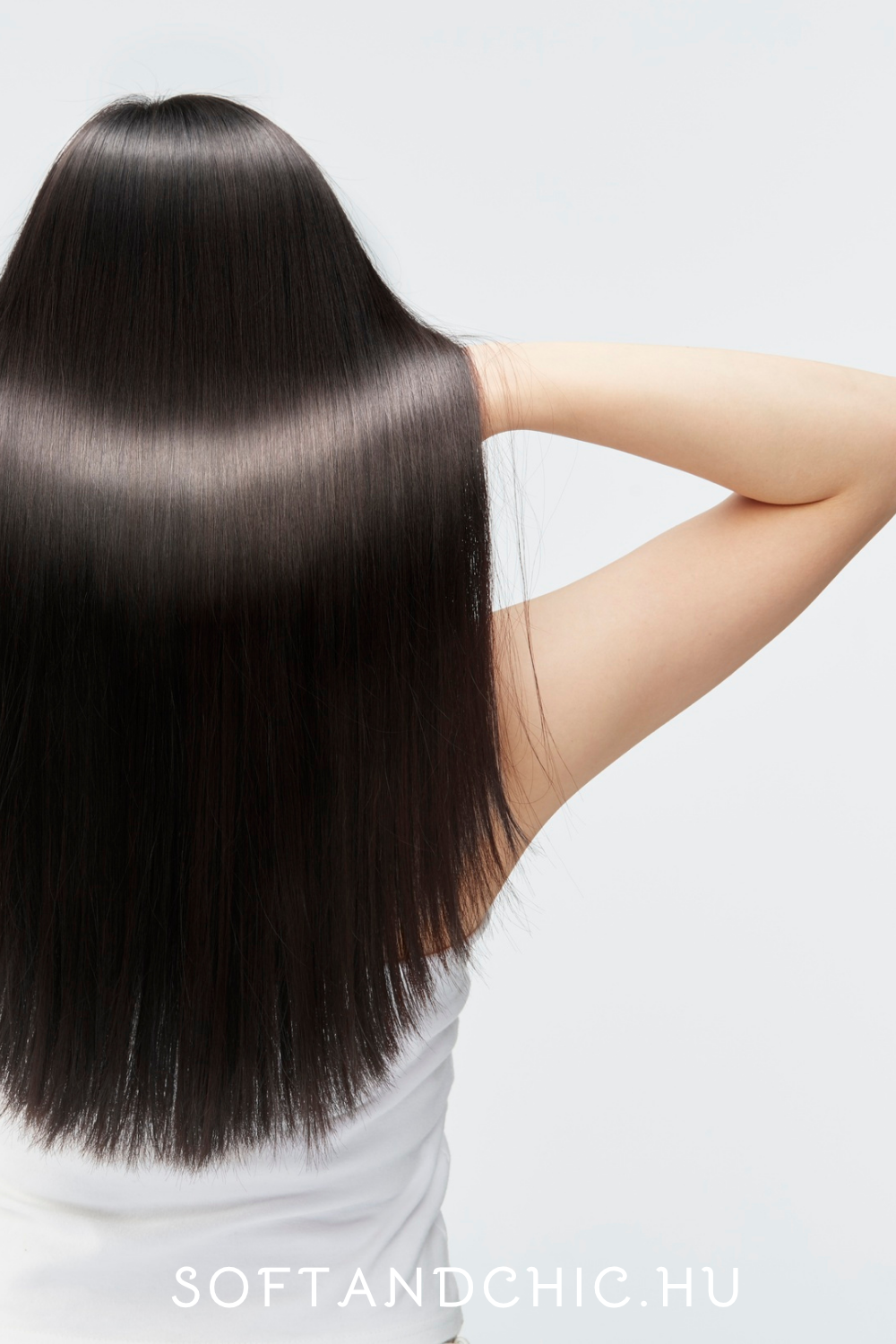
Hair porosity tells you how easily your hair can absorb (and retain) moisture and nutrients. This depends on the condition of the protective layer – the cuticle – and how tightly or loosely the cuticle cells are arranged.
There are generally three types:
- Low porosity: The hair’s outer layer is tight and flat. Moisture and product absorb very slowly and often sit on the hair instead of penetrating it.
- Normal (medium) porosity: This is the ideal balance — moisture and nutrients pass through relatively evenly.
- High porosity: The cuticle plates are loosely arranged and may have small cracks. Hair quickly absorbs moisture but also loses it just as fast. This type is often dry, brittle, and dull.
Why does this matter? Because each hair type requires different products and treatments. A foaming or very thick oil product can weigh down low porosity hair, while a light moisturizer might not provide enough grip for high porosity hair.
How to Determine Your Hair’s Porosity
You can use simple “at-home tests” to get a rough idea of where you fall:
- Float Test: Take a clean hair strand and place it in a glass of water for at least 5 minutes:
- If it floats on top (or sinks very slowly) → likely low porosity.
- If it hovers in the middle → likely medium porosity.
- If it quickly sinks → high porosity.
(Note: Some criticize this test, as water temperature, surface tension, and hair thickness can affect results.)
- Spray Test: Spritz water onto a clean, dry strand:
- If water beads up or takes time to absorb → low porosity.
- If it absorbs almost instantly → high porosity.
- Balanced behavior → medium porosity.
- Fingertip Test: Run a hair strand between your fingers from tip to root:
- Very smooth → likely low porosity.
- Noticeable bumps or resistance → likely high porosity.
- Moderate resistance → medium porosity.
These aren’t clinical methods, but they’re great starting points. Once you know your range, you can choose products and treatments that better suit your hair’s needs.
2. Choosing the Right Shampoo: The Foundation of Healthy Hair
Many people underestimate the importance of shampoo, but one of the foundations of healthy hair growth is a clean, balanced scalp. Shampoo’s job isn’t to nourish the hair itself — its primary role is to cleanse the scalp of excess oil, dirt, and buildup.
Important tip: If you’re dealing with hair loss, it’s worth choosing a silicone- and sulfate-free shampoo.
- Sulfates are strong foaming detergents that can strip the scalp of natural oils and lead to dryness and irritation.
- Silicones coat the hair strands, which can prevent other beneficial ingredients from being absorbed and can weigh the hair down over time.
Opt for a gentle, nourishing formula that supports scalp balance, creating a solid foundation for the rest of your hair care routine.
3. Hair Masks and Conditioners – Hydration vs. Nutrition
After cleansing, the most important part of care is hydration and nourishment. But what’s the difference?
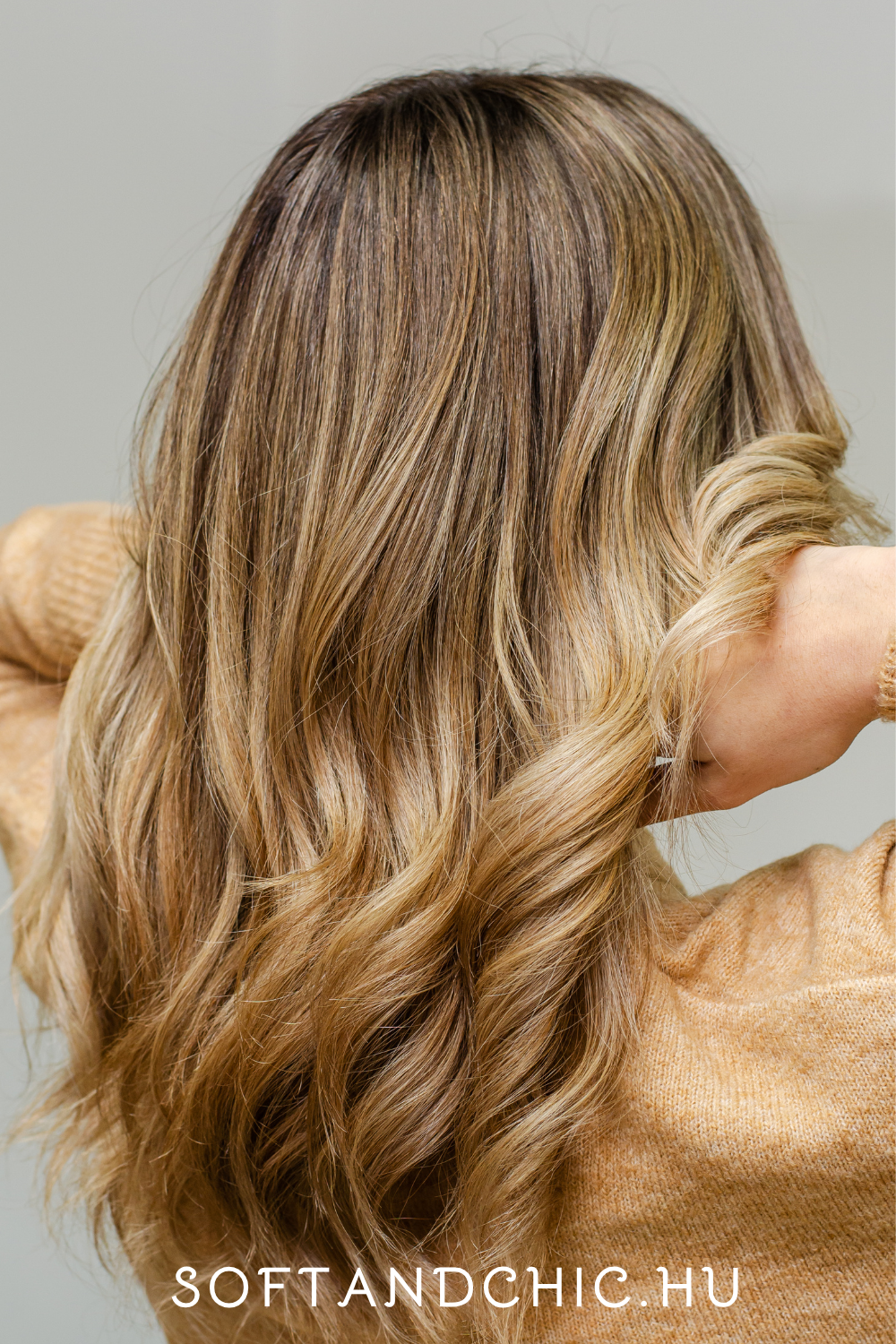
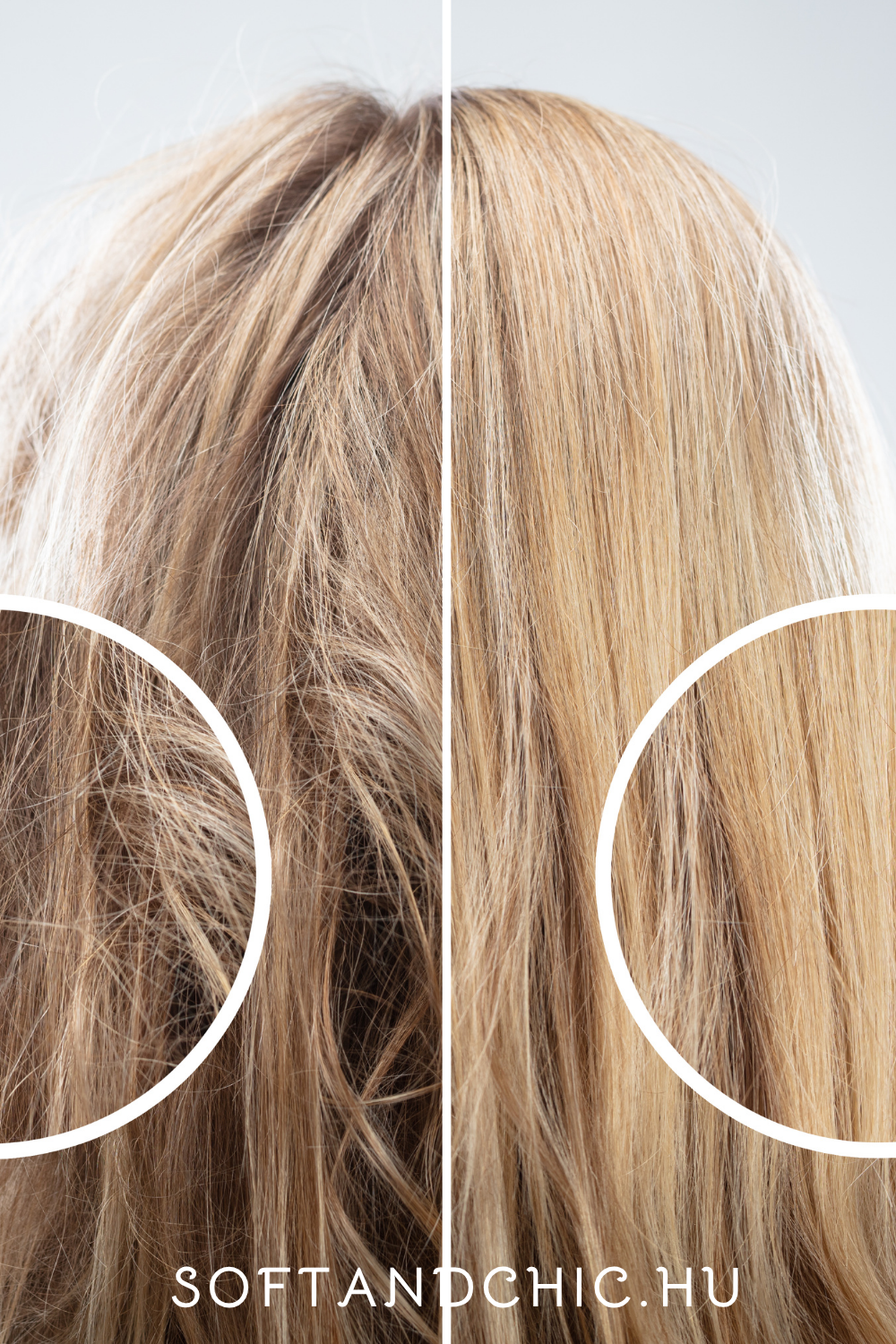
- Hydrating mask: Replenishes moisture. This is especially important for dry, lifeless hair to prevent breakage.
- Nourishing mask: Rich in oils and butters; strengthens hair structure and improves elasticity.
Tip: Choose masks based on your porosity. High porosity hair often responds very well to rich, oil-based masks.
Conditioner, on the other hand, finishes the hydration stage, smooths the cuticle, makes detangling easier, and helps lock in moisture.
4. Oils and Deep Oil Treatments
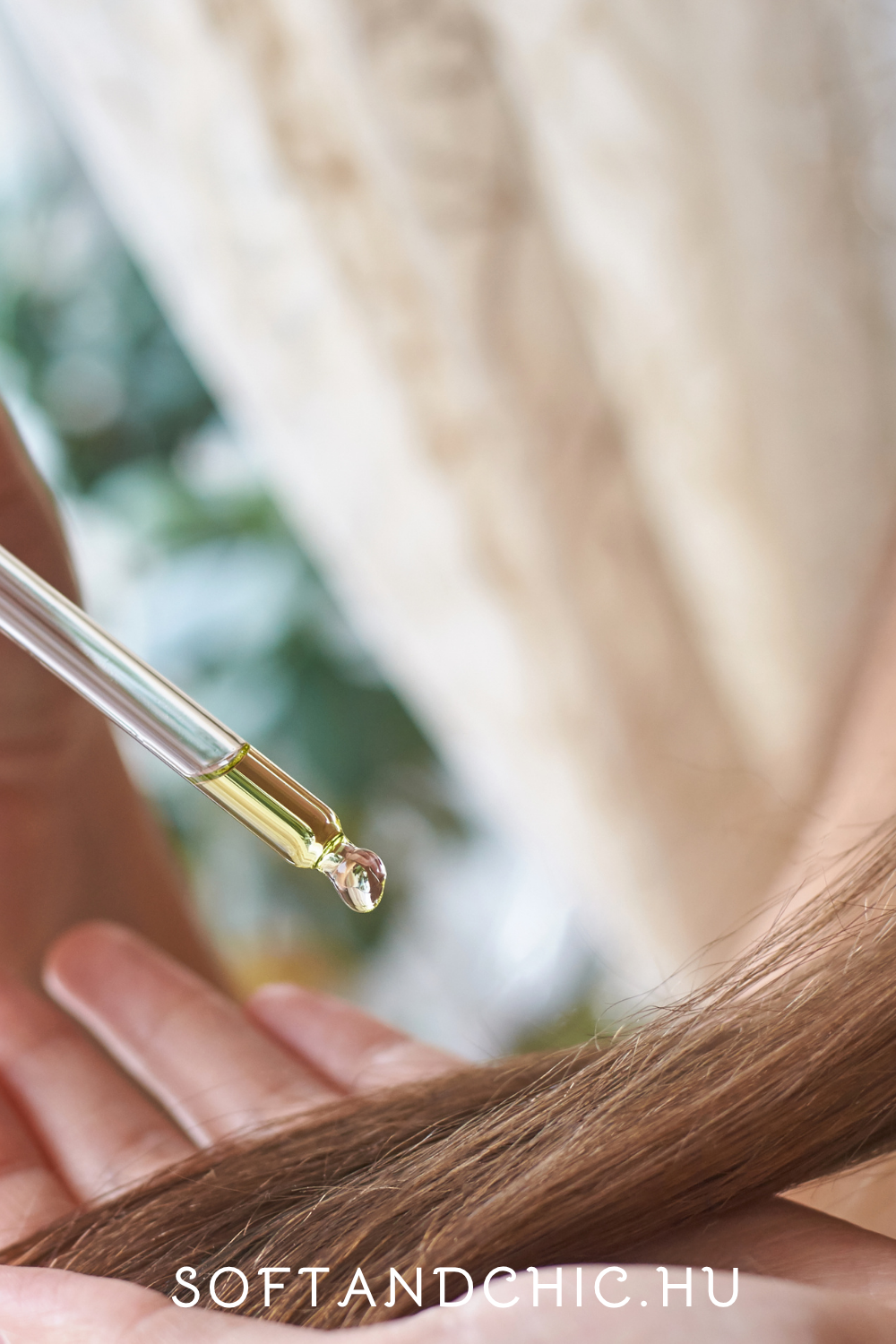
Oils can be used in two main ways: on the scalp and on the hair length (the latter is called deep oiling). But not all oils are good for both purposes, and hair porosity often determines which oils work best.
For the Scalp:
- Castor oil is a classic for hair growth — it gently stimulates blood circulation.
- Rosemary essential oil is also popular: in small amounts (mixed with a carrier oil), it can help improve circulation. Important: 100% pure rosemary essential oil should never be applied directly, as it can irritate or even burn the scalp.
In practice, make a blend (e.g., castor oil + a few drops of rosemary essential oil) and gently massage it into your scalp.
For the Hair Length (Deep Oiling):
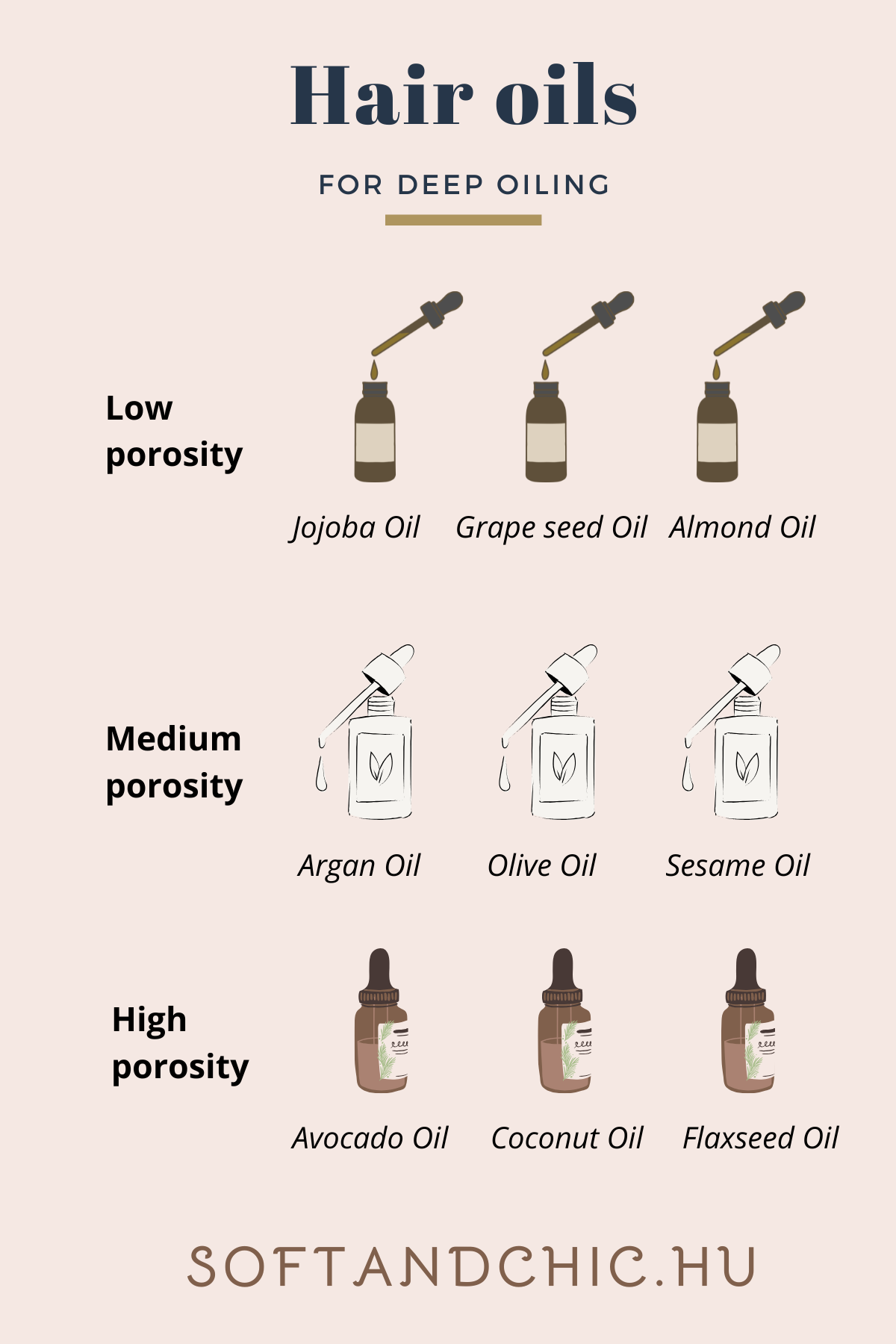
Porosity matters here too:
- Low porosity hair: Use lighter oils (e.g., argan or canola) so they don’t sit on the hair and weigh it down.
- Normal porosity hair: You have flexibility — argan, jojoba, or even coconut oil may work, but avoid extremely heavy oils.
- High porosity hair: Thicker, richer oils (e.g., sesame or heavily saturated oils) can be beneficial because high porosity hair loses moisture quickly. In this case, the oil should be sealed in with a cream layer or heat/f oil wrap for best effect.
Important: Deep oiling isn’t the same as applying oil to the hair ends (which is mainly for shine and protection). Deep oiling penetrates deeper layers of the hair shaft, often with heat, time, and wrap methods. Also, the oil you use on your lengths isn’t necessarily good for the scalp — for the scalp, choose oils that stimulate circulation without clogging pores (e.g., castor + small rosemary).
45 Pastel Nail Ideas – Simple Yet Stylish Manicure Inspiration

How to look elegant every day. Build a Soft Girl Capsule Wardrobe.
Spring Nail Ideas for 2026 – 10 Styles That Are Perfect for the Season
5. VIO (Microcurrent / Scalp Device)
It may sound surprising, but VIO devices (often used for facial care) can sometimes be used on the scalp too. They generate a small microcurrent or electro-stimulation that can boost blood flow and improve nutrient absorption.
Important: Not every VIO tool is suitable for the scalp, and it should be used at low intensity, carefully. Always read the manufacturer’s instructions and start with low settings. If you find a product that’s designed for both face & scalp, try it on a small area first to see how your skin reacts.
Tip: Use it on a clean scalp and increase gradually. This can be a great extra step in your hair care routine.
6. Vitamins and Supplements
This aspect is often undervalued, because even the best external products can’t do much if your body lacks the right building blocks. Diet and proper vitamin intake are crucial for hair follicle health. Here are the supplements I currently take:
- Spirulina: Packed with protein, iron, and antioxidants.
- Omega-3 fatty acids: (fish oil or algae-based omega) — anti-inflammatory and supportive of follicle health.
- Myo-inositol: Especially helpful for PCOS/insulin resistance, supports hormonal balance.
- Selenium: A trace mineral important for thyroid function and antioxidant defense.
Important: Don’t take excessive amounts, and if you’re combining with medication, always talk to your doctor or pharmacist first (especially if you have thyroid issues).

7. Sleeping Habits – Tiny Changes, Big Results
Many people don’t realize that how you sleep also affects your hair. Never go to bed with wet hair! Hair is most fragile when wet, and tossing and turning at night can easily break strands.
Practical tips:
- Satin hair cap / satin pillowcase: These cause less friction and reduce breakage overnight.
- Satin hair tie: Instead of a regular elastic, a satin-covered tie helps minimize tugging.
These may seem like small things, but doing them daily can contribute significantly to achieving a healthier, fuller head of hair.
8. Dermaroller (Use Carefully and Consciously)
Dermarolling has become popular as a more natural tool for addressing hair loss. The idea is to create tiny micro-injuries on the scalp with fine needles, which can stimulate healing processes, increase circulation, and improve absorption of topical products.
Benefits:
- Can enhance serum absorption.
- Stimulates blood flow around hair follicles.
- A small amount of inflammation can trigger regenerative processes.
Risks / Drawbacks:
- If not used sterilely, it can cause infection.
- Too frequent or too deep use can cause scarring or irritation.
- Should be avoided with certain skin conditions or hormonal disorders.
Guidelines for home use:
- Choose short needle lengths (e.g., 0.25–0.5 mm).
- Use once or at most twice a week.
- Sanitize with distilled water and alcohol before and after.
- Roll gently — you should feel a mild tingling, but not pain.
- Apply serum afterwards with ingredients you know your scalp tolerates.
- Stop if irritation occurs.
Important: A dermaroller is not a toy. Always use it sterilely and with caution, and if you notice irritation, stop immediately.
8+1. Extra and Most Important Tip: HYDRATION
It cannot be emphasized enough how important proper fluid intake is — and you might not realize that it also plays a role in healthier hair. Hair follicles and scalp function are strongly linked to overall hydration. If your body is dehydrated, it will show not only on your skin but also in your hair: strands can become brittle and dull, and your scalp may become dry.
Proper hydration from the inside can:
- support better follicle function,
- improve scalp circulation,
- and contribute to stronger, shinier, healthier hair.
Many people forget that hair care isn’t just external — water consumption is just as important as the best mask or oil. Try to drink enough daily (generally around 2–2.5 liters), and if it’s hard, flavor it with fresh fruit or herbs to make it more enjoyable.
This is one of the simplest yet most impactful habits you can add alongside your hair care routine.
Summary Thoughts & Encouragement
I know this may seem like a lot — especially if you’re watching your strands fall out in despair — but it’s important to know that you are not alone. Many women have gone through this and found methods that truly helped them. You can do this too! When you feel uncertain, always remind yourself that every small step can help restore your hair and scalp’s health.
And let me tell you something like a good friend: you don’t have to apply everything at once. Choose 2–3 elements (for example, the porosity test, one or two products, a specific oil) and give yourself time to see what works for you. And most importantly, don’t expect immediate results! This takes time.
Realistic Timeline You Can Expect
- Weeks 1–4: Usually fewer strands fall out and scalp sensitivity decreases.
- After 2–3 months: You may start noticing average thickening and early new growth.
- Full results: Typically require 6 months to a year of consistent care.
Final Note & Important Warning
The tips here are ones I use, that I’ve talked about with friends, and that others have reported helped them. But I am not a professional! If you’re experiencing severe or persistent hair loss due to hormonal, thyroid, genetic, or other serious issues, please consult a doctor or specialist.
Always remember: hair loss is often a long journey, not a quick transformation – but if you’re consistent, attentive, and conscious, you have a great chance of regaining healthier hair.